
The Patterns That Persist
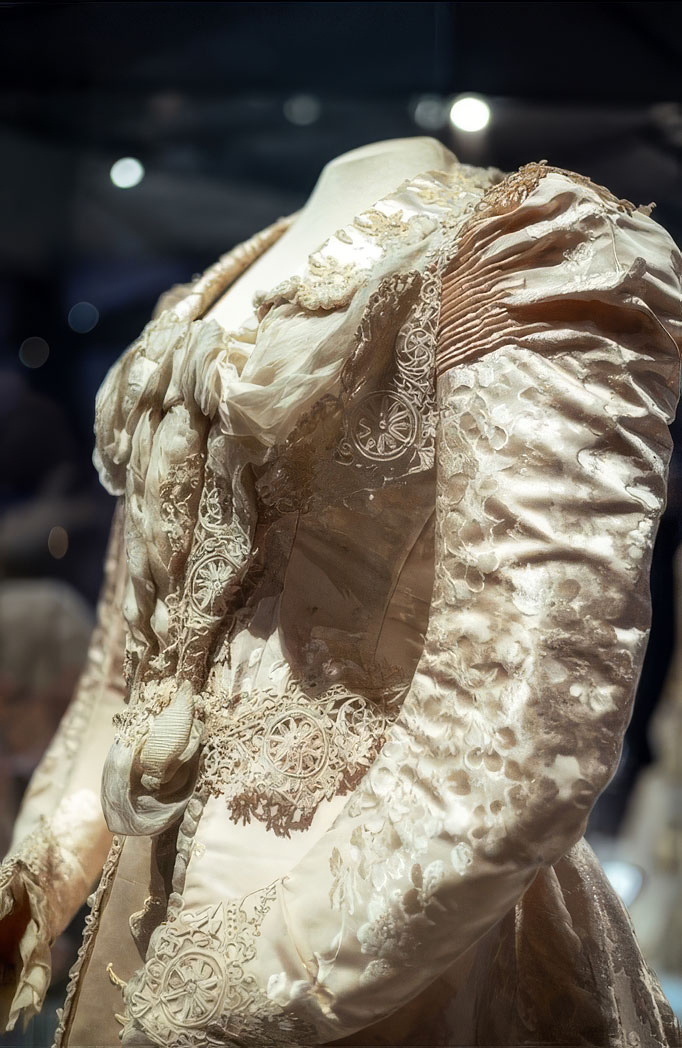
Imagine someone who never moved on from the worst day of their life. She still wears the dress from that day.
The table is still set.
The once white cake, now yellowed beneath layers of cobwebs, still sits where it was left.
Time moved forward. She didn’t.
Charles Dickens, in his book Great Expectations, gave her a name: Miss Havisham. It’s easy to believe that only extreme characters live so visibly in the grip of their past.
But most of us are shaped by old experiences, inherited habits, and unfinished stories in ways we are frequently unaware of. The difference is that we tend to carry the lingering remnants of our past within rather than wearing them for everyone to see.
Whenever you walk into the office (or anywhere), you’re not walking in alone.
Neither is anyone else.
Influence from the Past
The echoes of the past still sound beneath present-day interactions, shaping our reactions and responses.
For years, professional culture encouraged striving for a kind of emotional separation: leave your personal life at home and bring your professional self to work. The problem with that line of thinking is human beings don’t actually function like that.
Wherever we go, so go our experiences. So the question becomes not whether our personal past influences us. The question is whether we recognize how it influences us.
Seeing the Patterns in Ourselves
The first task is to become aware of the legacies we carry and learn to identify the ways they show up in our thoughts, reactions, and relationships. Keeping in mind that not all patterns are problems waiting to be solved.
Many of our tendencies developed for good reasons and may have served us well. Think about how the person who learned to anticipate needs as a coping strategy may become highly empathetic and attentive. The individual who grew up taking responsibility early may become dependable and capable under pressure. Or someone who learned to carefully read the emotional environment may become perceptive and relationally skilled.
The challenge is that strengths developed in one context can become limitations in another.
To recognize these patterns in ourselves, we need to tune in to how experiences impact our behaviors: how we respond under pressure, cope with conflict, seek approval, avoid vulnerability, or attempt to maintain control. These habits of response are often subtle, typically show up indirectly in recurrent reactions rather than through dramatic disclosures.
Key indicators that an underlying historical dynamic – whether helpful or limiting – might be at work are repetitive thoughts or emotional responses.
Try this:
Be on the look-out for self-talk or ways of responding that feel overly familiar, that give you a sense of déjà vu. When they show up, pause and get curious:
- “Where have I experienced this before?”
- “At what other times has this story shown up?”
- “Where did this come from?”
- “Is this serving me or limiting me in this circumstance?”
Noticing Patterns in Others
Recognizing these patterns in ourselves first can help us respond differently to others. The goal is not to psychoanalyze colleagues or to rationalize their behavior, but to heighten our awareness in a way that creates space for curiosity rather than rushing to an assumption or snap judgment.
Sometimes what we experience as difficult behavior in others may actually be an overextension of one of their strengths.
- The highly dependable employee may struggle to delegate.
- The deeply empathetic leader may overfunction for others.
- The person who values harmony may avoid necessary conflict.
- The independent colleague may resist asking for help.
Often, the very qualities that contribute to someone’s effectiveness can become constraining when they are applied automatically rather than intentionally.
Try this:
The next time a colleague’s behavior irritates or confuses you, see if you can slow your own response and replace judgment or frustration with curiosity:
- What need, concern, or strength might be operating beneath the surface?
- What assumptions am I making?
- What assumptions might my colleague be making?
- What else might explain what I’m observing?
Recognizing Organizational Legacies
Not all the patterns we fall into are personal. Some are cultural, organizational, or collective.
When I worked in the corporate world, we had a phrase for getting caught up in these kinds of group dynamics: going native. Over time, people gradually absorbed the norms, assumptions, and relational habits of the systems around them. Without consciously realizing it, their own reactions and behaviors shifted to align with the culture around them.
We don’t just bring the heritage of our past experiences and family systems into work; work systems can shape us too.

A fundamental concept of Resilient Leadership is that every organization is comprised of both a rational and an emotional system. Like an iceberg, the rational system (strategy, structure, goals) is what is easily observed above the water line. Beneath it lies the emotional system, where these inherited patterns lurk and operate, largely hidden from awareness.
The challenge is that although not clearly visible, these emotional legacies are remarkably persistent. Leadership changes, restructures happen, people come and go; yet these underlying and unseen patterns often remain intact.
It is a rare organization that takes the time to explore the details of its emotional system inheritance. In fact, looking to the past in this way is often dismissed as being a waste of time at best and a problematic re-invigorating of old grievances at worst. Yet without this background, organizations can remain stuck in entrenched patterns they aren’t aware of and don’t fully understand.
Fortunately, even when these dynamics aren’t openly discussed, they can be observed because patterns leave clues.
Try this:
Organizational legacies often reveal themselves through repeated stories, assumptions, or familiar phrases. Learn to listen for clues such as:
- “That’s just how things work around here.”
- “We tried that before.”
- “We’ve never … “
- “People around here always …”
Then ask yourself:
- What belief or history might sit beneath this?
- What strengths has this created?
- What limitations might it also create?
- How might this be explored and illuminated?
What We Carry Forward
Resilient Leadership isn’t about becoming perfectly self-aware or emotionally detached, nor is it about erasing organizational or personal pasts and experiences. It’s about developing the ability to notice and get curious about the invisible influences that impact us and the systems we operate in.
Miss Havisham lived in and wore her past for everyone to see. Most of us do not. Yet our histories still show up in ourselves, in our relationships, and in the organizations we build.
Awareness creates choice and the possibility of carrying forward those inheritances that serve us well while releasing what does not.
 EileenWiediger, Certified Resilient Leadership Coach
Eileen is an ICF-certified coach who empowers individuals at all levels to navigate the dynamic journey from self-awareness to self-transcendence. She has worked as a strategist, instructional designer, and facilitator solving complex problems and creating systems for learning and growth. You can reach her at: https://www.linkedin.com/in/a-eileen-wiediger/ or through her website: https://www.steeproad.com.