
Resilient Leadership Master Class
Check in on our Resilient Leadership Master Class practices that will help you keep Resilient Leadership top of mind. Learn how to “SEE”, “THINK”, and “LEAD” in the world of emotional systems that encircle everything we do. Visit this page often or subscribe below for automatic updates sent to your email.
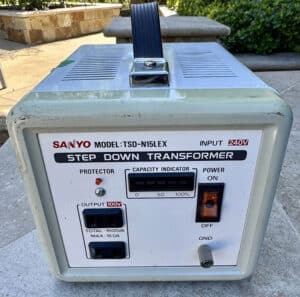
Lowering the Voltage: What Dogs, Vets, and Leaders Know About Anxiety
One of the most memorable concepts in Resilient Leadership is that of being a step-down transformer: cultivating the capacity to remain less anxious than those around you so that emotional intensity can diminish rather than escalate. Clients often tell me this is the idea they reach for first in moments of strain – at work, at home, and everywhere in between. My introduction to this concept didn’t come from Resilient Leadership, however. I first learned about it many years ago from my veterinarian.

Standing Steady: How to Lead with Conviction
Lead with conviction. It’s a simple phrase, but it requires deep practice. At its best, leadership conviction shows up as clarity, courage, and a willingness to take action even when outcomes are uncertain and criticism is possible. It invites leaders to take a stand and to move forward without waiting for perfect conditions.

Cultivating & Calibrating Connection
Watching Alysa Liu perform her Olympic free skate, which earned her a gold medal, I noticed something beyond her technical brilliance. The arena was electric; the audience’s response was overwhelming – just watching from my couch, far from Milan, I felt caught up in the excitement and enthusiasm.
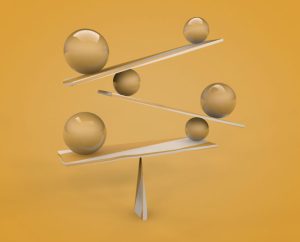
Balancing the Seesaw: Overfunctioning, Underfunctioning, and the Work In Between
Overfunctioning and underfunctioning, forms of anxiety-driven reactivity, are frequent topics in Resilient Leadership coaching. They exist in a reciprocal dynamic, like a seesaw: when one appears…

Transforming Triangles
After spending over two hours with a technical expert to troubleshoot issues with my cell phone, I ended up driving home with no resolution and a factory-reset phone that I would have to manually restore. On my silent, disconnected drive home without navigation or tunes…

The Patterns That Persist
Imagine someone who never moved on from the worst day of their life. She still wears the dress from that day. The table is still set. The once-white cake, now yellowed beneath layers of cobwebs, still sits where it was left. Time moved forward. She didn’t.
RL Practice of the Month
Check in on practices that will help you keep Resilient Leadership top of mind. Learn how to “SEE”, “THINK” and “LEAD” in the world of emotional systems that encircles everything we do. Visit this page often or subscribe below for automatic updates sent to your e-mail.

Feeling Tense? Get Curious!
As summer gives way to fall, shifts in daylight, sleep, temperature, and time outdoors can influence mood and the body’s stress response.

A 10-Minute Practice for the Season Ahead
As summer gives way to fall, shifts in daylight, sleep, temperature, and time outdoors can influence mood and the body’s stress response.

What you do in the ninety seconds after?
A Resilient Leadership approach comes down to three moves, repeated over and over can provide calm, clarity, and conviction.

The Leadership Reset: How to End the Year Calm, Clear, and Connected
The most grounded leaders don’t just grind through December. They close it with intention. They step back, reflect, and reset.
The Fine Line Between Conviction and Stubbornness
Without calm as our foundation, we become like emotional corks tossed about on a turbulent sea – reactive rather than responsive, at the mercy of circumstances rather than in command of our choices.
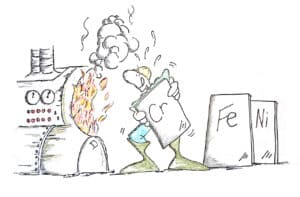
Seeing the Whole: How Leaders Practice Systems Thinking
Like metallurgists ensuring the proper balance of chromium, nickel, and iron, leaders must notice not just the major crises but also the nuance of subtle shifts that signal the organization’s balance is changing.
Weekly Insights, Viewpoints, & Resources
Follow our weekly updates for insights and practices offered by our Certified RL Coaches and Trainers. Learn with and from these RL experts as they work to deepen their knowledge and practice of Resilient Leadership.

Using Physical Relaxation Practices to be Less Anxious
Leaders face significant challenges as they attempt to stay connected to their dispersed colleagues while at the same time exerting a positive influence on those they lead.

Staying Connected with a Dispersed Workforce
Leaders face significant challenges as they attempt to stay connected to their dispersed colleagues while at the same time exerting a positive influence on those they lead.

What Can I Learn About My Reactivity?
What Can I Learn About My Reactivity? The positive, healthy kind that keeps us alive and flourishing and hyperreactivity that

VUCA – It’s Been Around for Awhile
Recently, very challenging situations have been labeled VUCA challenges highlighting that the systems-level solutions must simultaneously deal with volatility, uncertainty, complexity, and ambiguity.

Balance the Seesaw
VUCA challenges often have immediate and long-term consequences that are far-reaching in scope. VUCA challenges are system-level challenges in that the causes, impacts, and solutions require thinking and acting from a perspective that considers both natural and manmade systems.

A New Way of LEADING — Embody and Communicate a Less Anxious Presence
VUCA challenges often have immediate and long-term consequences that are far-reaching in scope. VUCA challenges are system-level challenges in that the causes, impacts, and solutions require thinking and acting from a perspective that considers both natural and manmade systems.

VUCA Survivors – At Least for Now
VUCA challenges often have immediate and long-term consequences that are far-reaching in scope. VUCA challenges are system-level challenges in that the causes, impacts, and solutions require thinking and acting from a perspective that considers both natural and manmade systems.

Be Less Anxious, Stop Avoiding People and Lead with Conviction
What had I done? I created a triangle between myself, the mom, and the cashier impatiently waiting. My anxiety kept rising because I couldn’t lower the mom’s anxiety.